Supporting Healthcare Together: Ethical Medical Volunteering in Ghana
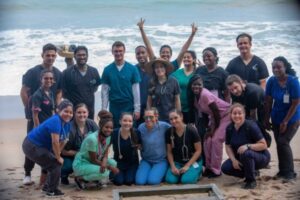 At P.Y.V.O, we believe that meaningful healthcare impact comes from collaboration, respect, and sustainable partnership. Ghana continues to make important progress in strengthening its healthcare system, yet many communities still face challenges related to access, resources, and rising disease burdens. Our mission is to support local healthcare professionals and communities by creating ethical, skills-based volunteering opportunities that prioritise learning, cultural exchange, and responsible contribution.
Rather than replacing local professionals, our volunteers work alongside Ghanaian healthcare teams — sharing knowledge, supporting existing systems, and contributing to community-led health initiatives that create long-term value.
Medical Volunteering Opportunities in Kumasi
The Pyvo Ghana Medical Volunteering Project offers flexible short-term and long-term placements across hospitals, clinics, outreach centres, and community-based health programmes in the Kumasi region.
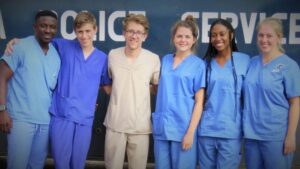 We welcome volunteers from a range of healthcare disciplines, including:
* Medicine
* Nursing and Midwifery
* Pharmacy
* Physiotherapy
* Mental Health
* Radiography
* Dentistry
* Veterinary Medicine
 * HIV & AIDS Care
Our placements provide exposure to diverse healthcare environments, from public and private hospitals to grassroots community initiatives serving under-resourced populations. Volunteers gain valuable insight into global health challenges while supporting local teams in delivering patient-centred care.
Community Outreach with Real Impact
A defining feature of P.Y.V.O’s work is our commitment to taking healthcare beyond clinic walls and directly into communities. Through carefully coordinated outreach programmes, we support preventive care, early diagnosis, treatment access, and health education in areas where services may otherwise be limited.
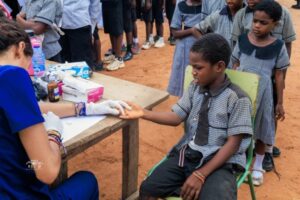
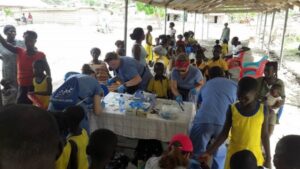
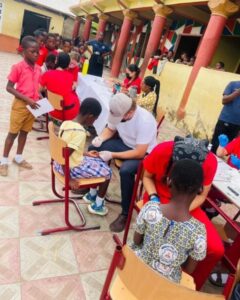 Our malaria outreach campaigns demonstrate the scale and impact of this work. During previous outreach days, collaborative teams have screened, tested, and treated up to 1,000 individuals in a single day. These initiatives focus on early detection, immediate treatment, and empowering communities with practical prevention knowledge — helping to reduce the long-term burden of malaria while strengthening public health awareness.
Volunteers participating in outreach programmes gain hands-on experience in ethical global health practice, working under local supervision and contributing to structured, community-led initiatives.
Who We Work With
We welcome medical professionals, students, and aspiring healthcare workers who are motivated by learning, service, and cultural exchange. Whether you are a pre-med student, nursing trainee, or experienced practitioner, our placements are designed to match your level of training and ensure that your involvement is appropriate, responsible, and beneficial to both you and the communities we serve.
What Makes P.Y.V.O Different
* Ethical, community-led volunteering focused on partnership — not replacement.
* Structured roles aligned with your skills and level of experience.
* Opportunities to contribute to high-impact outreach programmes, including large-scale malaria initiatives.
* Genuine cultural immersion and mutual learning between international volunteers and local healthcare teams.
* A focus on sustainable impact and respectful engagement.
Your Role
Responsibilities vary depending on your experience, qualifications, and the needs of the local healthcare setting. Activities may include:
* Shadowing healthcare professionals and supporting clinical workflows.
* Assisting with patient navigation and non-clinical support tasks.
* Participating in supervised basic clinical activities appropriate to your training.
* Supporting routine patient monitoring such as measuring blood pressure, pulse, and temperature.
* Contributing to community outreach programmes and health education initiatives.
Pre-university and early-stage students typically begin with observation roles, gradually gaining more involvement as they build relationships with local teams and demonstrate understanding of local healthcare practices